







Search Results for: Nutri-Grade labeling
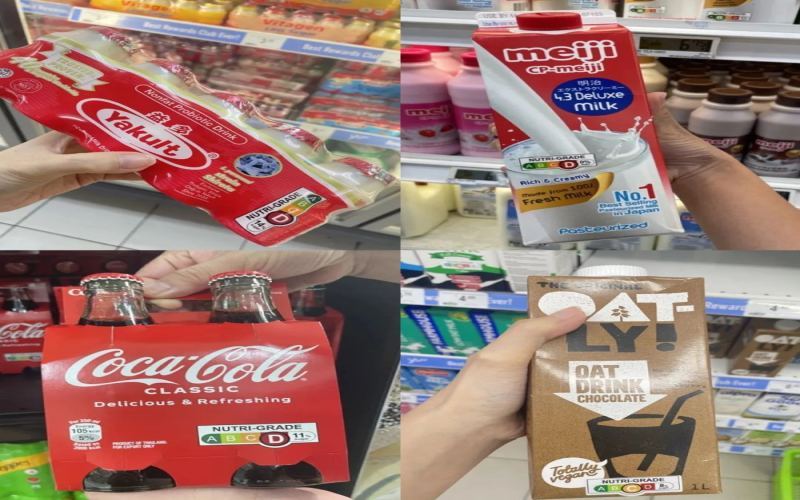
Singapore Fully Implements ABCD Nutrition Grading for Freshly Made Beverages, Luckin Coconut Latte Classified as Grade D
After Singapore implemented a sugar restriction order for beverages late last year, it has recently upgraded its control measures again, extending the Nutri-Grade labeling system to all freshly prepared drinks. From freshly brewed coffee and milk tea to fresh juices, even toppings like pearls and coconut jelly must now be labeled with their sugar content. Brands such as Starbucks, KOI Thé, and Ya Kun have gradually updated their menus, and Luckin's Coconut Latte has been classified as Grade D due to its high sugar and fat content. How exactly does this ABCD grading system work? What impact does it have on lattes and black coffee, which coffee lovers often drink? This article will outline the details of the new regulations and market reactions, and include purchasing advice from Front Street Coffee. [more…]

Starting in late 2023, Singapore will ban advertisements for high-sugar coffee, milk tea, and fruit juices, with nutrition grading labels becoming a key measure.
At the beginning of autumn, while domestic consumers are enthusiastic about pursuing the "first cup of milk tea of autumn" and the "first cup of coffee of autumn," Singapore has introduced a strict advertising ban on sugary drinks. Singapore's Minister for Health, Ong Ye Kung, announced at an event on August 11 that, in order to curb the high incidence of diabetes, starting from the end of 2023, drinks with relatively high sugar and trans fat content will be completely prohibited from advertising. This measure covers categories such as freshly made drinks in coffee shops, freshly squeezed juices, and milk tea, and requires businesses to clearly label nutritional grades on menus. Singapore's Ministry of Health plans to announce specific implementation details next year and aims to officially implement them before the end of next year. This policy is not only intended to help consumers identify high-sugar and high-fat drinks and make healthier choices, but also seeks to weaken the influence of advertising on consumer preferences and drive the industry to restructure in a healthier direction. [more…]
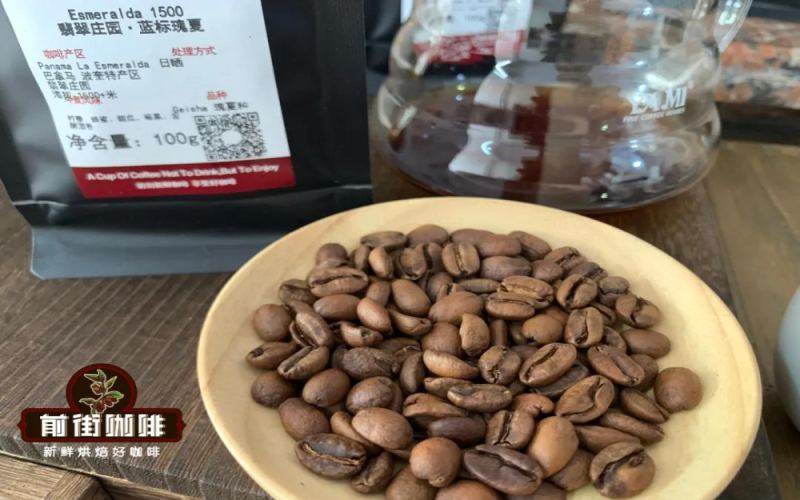
Front Street Hacienda La Esmeralda Geisha Blue Label Washed Coffee Beans: The Red, Green, and Blue Three-Tier Difference and an Analysis of the 2021 Blue Label's Whereabouts
Panama's Hacienda La Esmeralda Geisha coffee has always been the benchmark in the specialty coffee world, with its Red Label, Green Label, and Blue Label tiers each having their own positioning. Among them, the Blue Label, with its outstanding value for money, has become the entry-level choice for many coffee lovers getting their first taste of Esmeralda Geisha. In 2021, Hacienda La Esmeralda did not release a Blue Label series, sparking much speculation in the market. This article will sort out the grading standards and flavor characteristics of the Red Label, Green Label, and Blue Label, and reveal the full story of how that year's Blue Label Geisha reappeared under the name Las Rocas. Front Street Coffee continues to follow Hacienda La Esmeralda's developments, bringing readers first-hand interpretation. [more…]
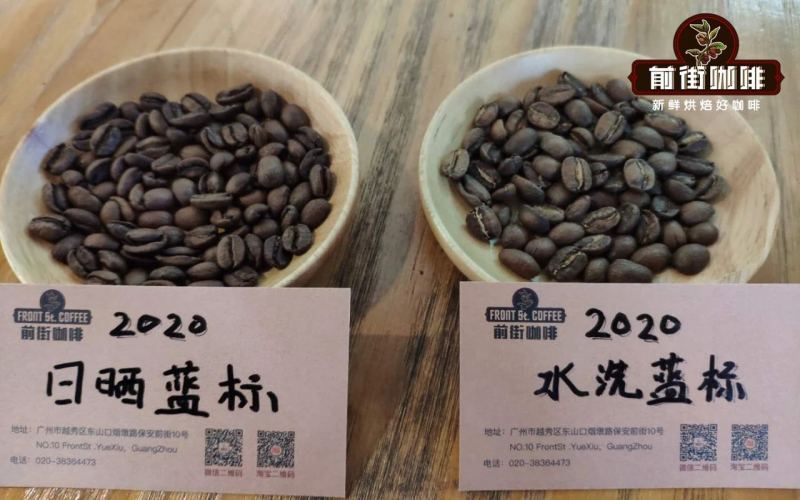
Unmasking the True Identity of Geisha 1500 and Emerald Estate Blue Label Geisha Volcanic Rock Coffee Beans
What exactly does Geisha 1500 refer to? And what is its relationship with Hacienda La Esmeralda's Blue Label Geisha? In 2020, Hacienda La Esmeralda added a natural process to its Blue Label series, which briefly made enthusiasts cheer for the arrival of an era of affordable Geisha; however, in 2021 the estate officially announced only the Red Label and Green Label, and the Blue Label seemingly disappeared, sparking much speculation. It was not until late September of the same year that a batch of Panamanian Geisha named Las Rocas appeared, and according to Front Street Coffee, it was in fact the reincarnation of Hacienda La Esmeralda's Blue Label batch. This article will sort out the classification standards and flavor differences of Hacienda La Esmeralda's Red Label, Green Label, and Blue Label, and reveal the truth behind the Blue Label's makeover, while also introducing the Esmeralda Red Label and Green Label Geisha that Front Street Coffee has supplied year-round, making it easier for readers to make a purchase. [more…]
Hacienda La Esmeralda Blue Label Geisha Renamed Las Rocas? 2021 Pour-Over Recipe and Volcanic Rock Flavor Full Analysis
In 2020, Hacienda La Esmeralda introduced a natural process for its Blue Label Geisha, delighting many coffee lovers; however, in 2021 the estate announced that it would retain only the Red Label and Green Label series, and the Blue Label seemed to quietly exit the stage. Just as speculation was rife, a batch of Panamanian Geisha named Las Rocas quietly appeared on the market, and according to Front Street Coffee, this is precisely the rebranded Esmeralda Blue Label batch. This article sorts out the grade classifications and flavor differences among Hacienda La Esmeralda's Red Label, Green Label, and Blue Label, reviews the whole story of the Blue Label's "disappearance" and "reappearance," and introduces the washed processing characteristics and pour-over approach for this Las Rocas Volcanic Rock Geisha, providing coffee fans who love Blue Label Geisha with a complete reference for purchasing and brewing. [more…]
A Detailed Guide to the Grade Classifications and Flavor Differences of Panama Hacienda La Esmeralda Geisha Coffee Beans: Red Label, Green Label, and Blue Label
Geisha coffee has been highly sought after in the global specialty coffee scene in recent years, and the Geisha produced by Hacienda La Esmeralda in Panama is the benchmark among them. Faced with the different grades of Esmeralda Geisha on the market—Red Label, Green Label, Blue Label, and others—many coffee lovers are often confused: What exactly are the differences between them? Which one suits them better? This article begins with the history of Hacienda La Esmeralda, then sorts out in detail the grading criteria, growing altitudes, processing methods, and flavor characteristics of the three major grades—Red Label, Green Label, and Blue Label—and includes Front Street Coffee's brewing suggestions and flavor descriptions for each grade, helping you find the Geisha that suits you best. [more…]
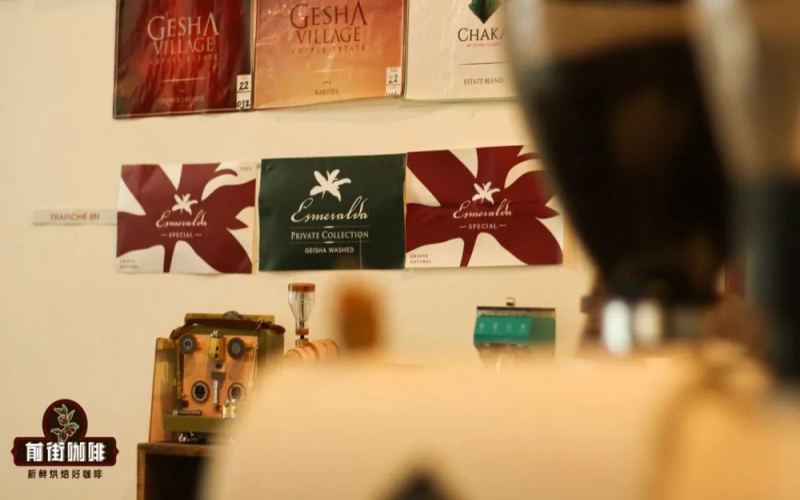
A Detailed Guide to Panama Hacienda La Esmeralda Geisha Coffee Grades: How Exactly to Choose Between Red Label, Green Label, and Blue Label
Geisha coffee has been highly sought after in the specialty coffee world in recent years, and the Geisha produced by Panama's Hacienda La Esmeralda is the benchmark among them. But when faced with the three grades—Red Label, Green Label, and Blue Label—many coffee enthusiasts often do not know where to start. What exactly do these three labels represent? What standards are they divided by? How big are the differences in flavor and price? This article will guide you through a systematic understanding of Hacienda La Esmeralda's Geisha grading system, breaking down everything from the estate's history, plot origins, and altitude to cupping performance, while also including Front Street Coffee's brewing suggestions and flavor descriptions to help you find the Geisha that suits you best. [more…]
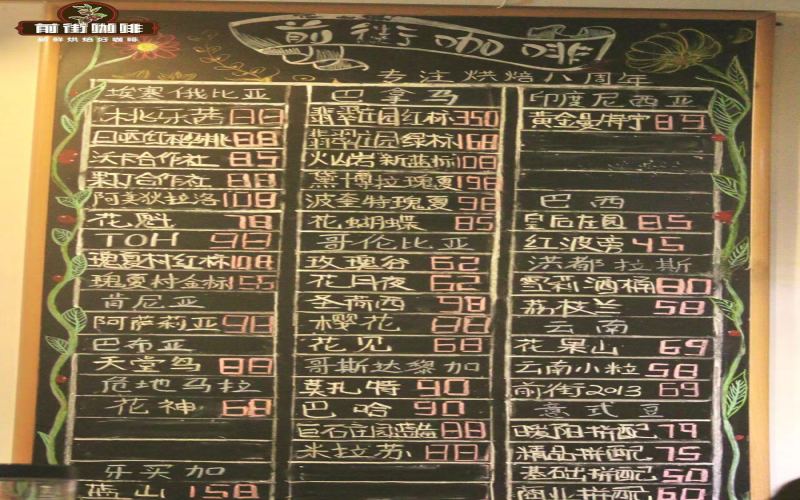
Detailed Guide to Panama Hacienda La Esmeralda Geisha Grades: Full Analysis of the Differences Between Red Label, Green Label, and Volcanic Rock Blue Label
Panama's Hacienda La Esmeralda Geisha coffee beans have always been the focus of the specialty coffee world, but faced with different grades such as Red Label, Green Label, and Blue Label, many coffee lovers often feel confused. What exactly do these "labels" represent? What are the essential differences between them? Is the more expensive Red Label necessarily better tasting? In this article, Front Street Coffee (FrontStreet Coffee) will take you deep into Esmeralda's Geisha grading system, from sub-farm distribution, altitude, and plot division to cupping standards, analyzing one by one the specific differences between Red Label, Green Label, and the new Volcanic Rock Blue Label, and sharing the brewing key points and flavor performance of light-roasted Geisha, helping you more clearly choose the Geisha that suits you. [more…]

Panama Hacienda La Esmeralda Geisha Coffee Grade Classification: Flavor, Taste, and Brewing Key Points of Red Label, Green Label, and Blue Label
In the world of specialty coffee, Jamaica Blue Mountain, Hawaii Kona, and Geisha are considered the top choices, and the Geisha produced by Panama's Hacienda La Esmeralda is the finest among them, known for its intense floral aroma and fruity notes. Hacienda La Esmeralda classifies its Geisha into three grades—Red Label, Green Label, and Blue Label—based on growing altitude and cupping scores, each corresponding to different plots and processing methods, with distinctive flavor profiles. Front Street Coffee has acquired several lots of Hacienda La Esmeralda Geisha, comparing the flavor differences between washed and natural processing through cupping, and sharing parameter recommendations for light roasting and staged brewing, to help coffee enthusiasts choose the Geisha that suits their personal preferences. [more…]
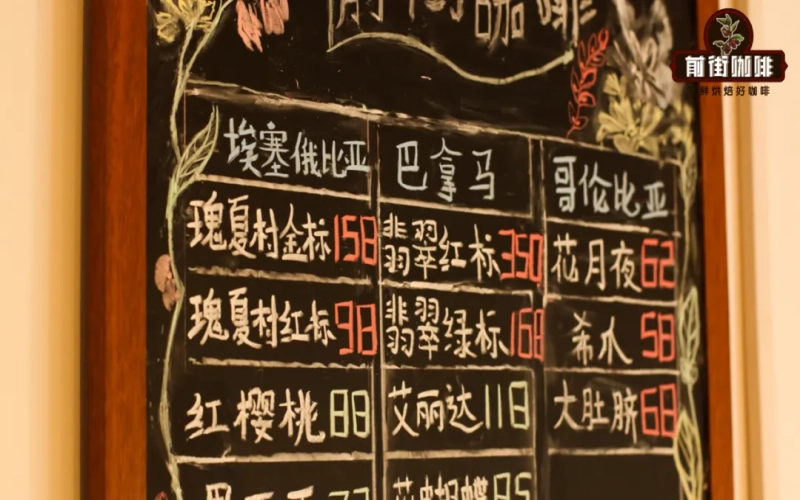
Gesha Village Coffee Grades | What Are the Differences in Flavor and Mouthfeel Between Ethiopia's Gesha Village Gold Label and Red Label Coffee?
Besides Hacienda La Esmeralda's Red Label and Green Label Geisha, there is another group of somewhat well-known "labeled" Geishas on Front Street Coffee's bean menu board. These are the Gold Label Geisha and Red Label Geisha from Ethiopia's Gesha Village. Front Street Coffee has previously shared the grading system of Hacienda La Esmeralda, and has also shared about two estates. [more…]
Panama Hacienda La Esmeralda Sun-Dried Geisha Comparison: What Exactly Is the Difference Between Blue Label and Green Label?
In the world of specialty coffee, the Geisha from Panama's Hacienda La Esmeralda is undoubtedly a benchmark existence. Front Street Coffee has recently simultaneously launched two Geisha offerings—the Natural Blue Label and the Natural Green Label—sparking curiosity among many coffee enthusiasts: both are naturally processed Geisha, so what exactly is the difference between the Blue Label and the Green Label? This article will begin with the origins and rise to fame of Geisha, outline the classification standards for Hacienda La Esmeralda's Red, Green, and Blue Label Geisha, and focus on comparing the similarities and differences between the Natural Blue Label and Natural Green Label in terms of altitude, production region, and flavor performance. At the same time, Front Street will also share the brewing parameters and tasting experience for the Natural Green Label, guiding you through a comprehensive understanding of the unique charm of each of these two Geisha offerings. [more…]
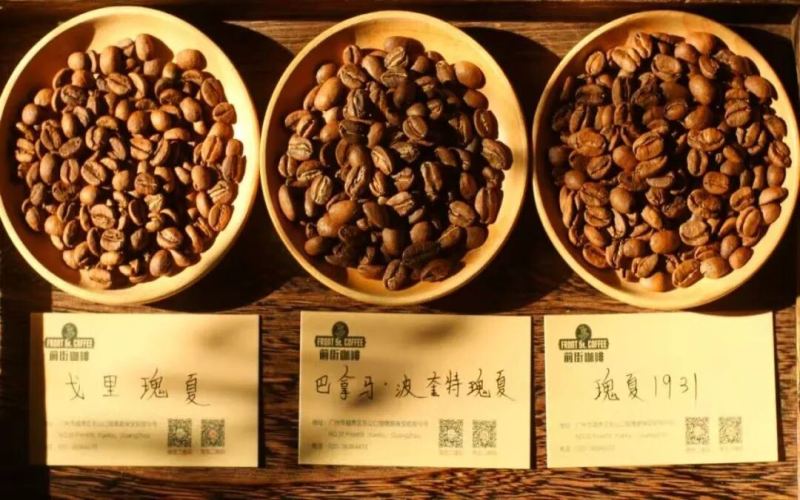
What is the difference between Gold Label and Red Label from Gesha Village? Do Gesha 1931 and Gori Gesha belong to the Gesha variety?
The Gold Label and Red Label coffees produced by Gesha Village Estate are a focal point for many enthusiasts. What exactly are the differences between these two products in terms of variety, grading, and flavor? And do the Gesha 1931 used for the Gold Label and the Gori Gesha used for the Red Label truly belong to what we commonly call Gesha? In this article, Front Street Coffee will sort out Gesha Village's grading system for you, from geographical divisions and variety tracing to cupping performance, and bring a specific brewing comparison of two natural-process lots, helping you more clearly understand the differences between these two lots. [more…]
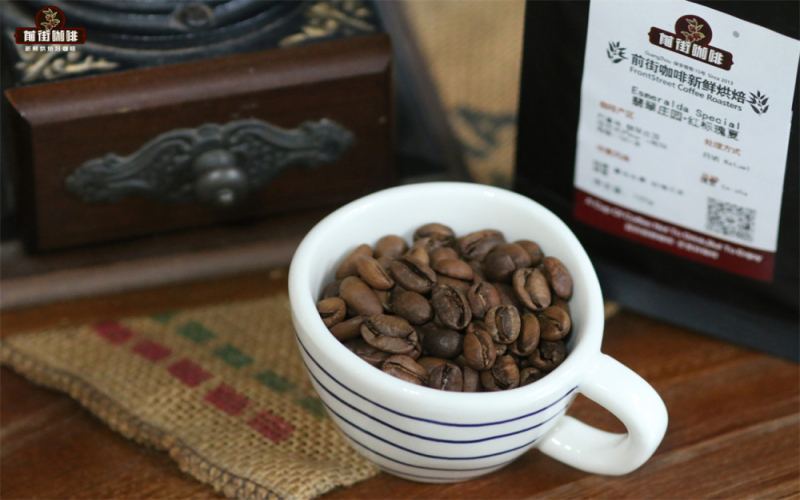
Analysis of the Grading Standards and Flavor Comparison of Panama Hacienda La Esmeralda Geisha Red, Green, and Blue Labels
Panama's Hacienda La Esmeralda Geisha coffee has been highly sought after in the specialty coffee world in recent years, but many coffee enthusiasts are confused when faced with its three grades: Red Label, Green Label, and Blue Label. What exactly do these three labels represent? What are the differences among them in altitude, plot, processing method, and flavor? This article starts with the history of Hacienda La Esmeralda and provides a detailed breakdown of the grading standards for Red Label (Esmeralda Special), Green Label (Private Collection), and Blue Label (Geisha 1500), along with their corresponding production plots and cupping performance. Combined with Front Street Coffee's brewing recommendations and flavor descriptions, it helps readers make a suitable choice based on their own needs. [more…]

A Complete Guide to Hacienda La Esmeralda Geisha Grades: What Exactly Is the Difference Between Red Label and Green Label, and Is the Doubled Price Worth It?
After Hacienda La Esmeralda rocketed Geisha to fame, it established a refined grading system, in which Red Label and Green Label are the two grades most frequently mentioned by consumers. Both are sold at Front Street Coffee's physical stores and online Taobao/Tmall shops, yet their prices differ by more than double, which leaves many coffee lovers puzzled: since both are Geisha produced by Hacienda La Esmeralda, what exactly is the difference between Green Label and Red Label? This article will systematically sort out the core differences between Red Label and Green Label across multiple dimensions—grading standards, growing altitude, traceability information, cupping scores, processing methods, and actual brewed flavor performance—and, combined with Front Street Coffee's actual brewing comparisons, help everyone understand the subtle differences in flavor between the two, as well as why Green Label is often regarded as Hacienda La Esmeralda's most cost-effective Geisha choice at present. [more…]
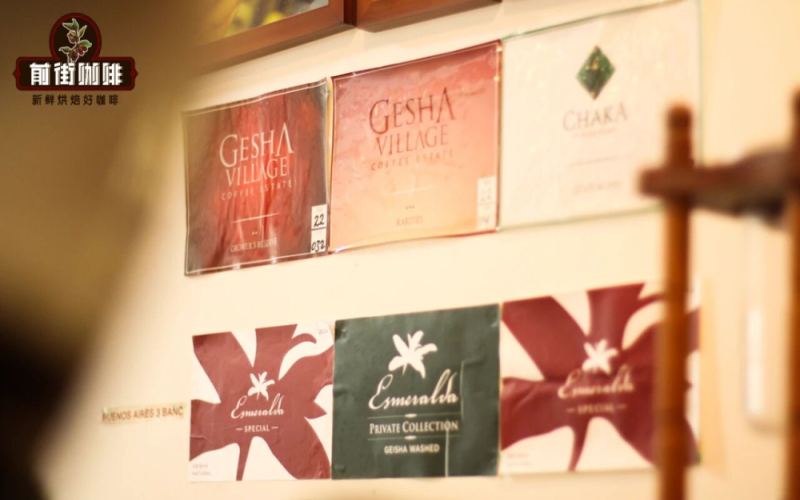
A Detailed Guide to Hacienda La Esmeralda Geisha Grades: What Exactly Sets Red Label, Green Label, and Blue Label Apart
Hacienda La Esmeralda in Panama is a major force behind the Geisha variety's rise to the world stage, and its Geisha beans are classified into three grades—Red Label, Green Label, and Blue Label—based on growing altitude and cupping performance. Red Label represents the pinnacle of the auction lot, Green Label is a reserve-grade blend of micro-lots, and Blue Label is an entry-level selection. The three differ in flavor expression and market positioning, and their prices and methods of acquisition are entirely different. This article will go through each grade one by one—origin source, altitude range, cupping threshold, processing method, and flavor characteristics—to help coffee lovers clearly identify Hacienda La Esmeralda's Geisha grading system, while also introducing the corresponding product information from Front Street Coffee. [more…]
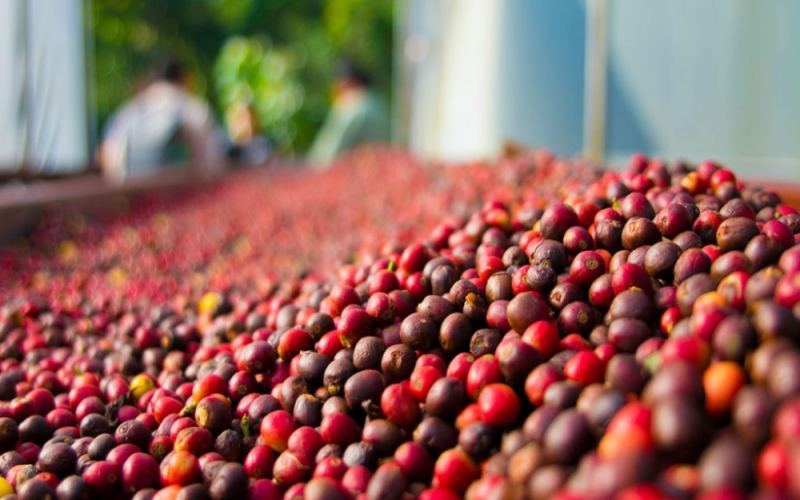
An Analysis of the Differences Between Panama's Hacienda La Esmeralda and Ethiopia's Gesha Village Red Label: A Complete Overview of the Auction, Gold Label, and Green Label Grading System
Geisha coffee beans rose to fame after Hacienda La Esmeralda in Panama won the BOP competition in 2004, and today Ethiopia's Gesha Village has also become a focus of the specialty coffee world. Although both estates are renowned for the Geisha variety, their grading systems differ greatly. Hacienda La Esmeralda divides Geisha into three grades: Auction, Red Label, and Green Label, while Gesha Village offers Auction, Gold Label, Red Label, Green Label, and Chaka batches. This article will systematically organize the Geisha grading standards of these two major estates, provide an in-depth analysis of the meaning and differences of Red Label Geisha, and introduce related product information recommended by Front Street Coffee, helping coffee enthusiasts fully understand the grading system and flavor characteristics of Geisha coffee. [more…]
Panama Geisha Coffee Guide: Comparing Price and Flavor of Hacienda La Esmeralda's Red Label, Green Label, and Volcanic Rock Series
Geisha coffee has already replaced Blue Mountain to become the top-tier variety that coffee enthusiasts worldwide are eagerly chasing. This article will take you deep into the Geisha legend of Panama's Hacienda La Esmeralda—from its stunning 2004 BOP championship victory that made the world take notice, to the positioning and differences of today's three product lines: Red Label, Green Label, and the volcanic rock Las Rocas. The article not only traces Geisha's spread from Ethiopia to Panama, but also provides a detailed comparison of the similarities and differences between Red Label (Esmeralda Special) and Green Label (Private Collection) in terms of altitude, plot traceability, and flavor performance, and introduces the specific information on Front Street Coffee's offerings of Hacienda La Esmeralda Red Label Natural, Green Label Washed/Natural, and volcanic rock Washed Geisha. Finally, Front Street's recommended medium-light roast Geisha pour-over recipe is included, featuring a V60 dripper, 92°C water temperature, a 1:15 coffee-to-water ratio, and a staged pouring technique, helping you fully unleash Geisha's floral and fruity charm. [more…]
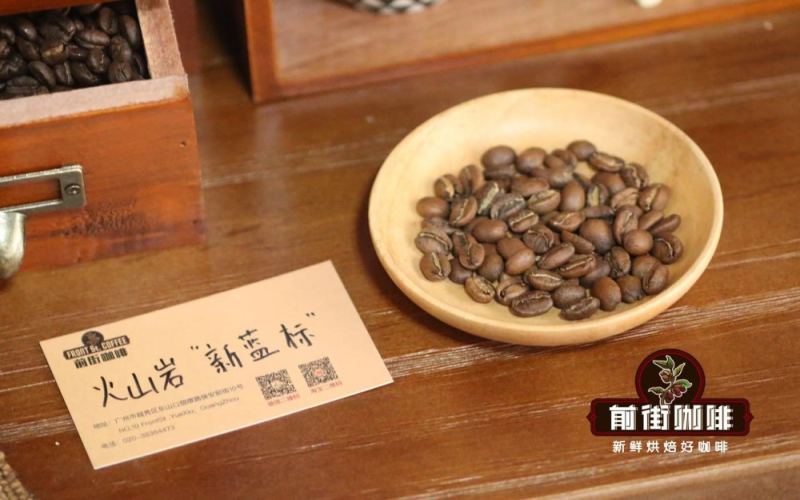
A Detailed Guide to Hacienda La Esmeralda Geisha Grades: Red, Green, and Blue Label Differences and Front Street Coffee Recommendations for Each Grade
Panama's Hacienda La Esmeralda Geisha coffee has always been the focus of the specialty coffee world, and its three grades—Red Label, Green Label, and Blue Label—each have their own distinctions. This article systematically sorts out Hacienda La Esmeralda's coffee grading system, analyzing in detail the specific differences between Red Label (Esmeralda Special), Green Label (Private Collection), and Blue Label (Geisha 1500, now discontinued) in terms of altitude, plot, processing method, and flavor. It also introduces the corresponding Red Label and Green Label product information from Front Street Coffee, and recommends an entry-level Front Street Coffee Boquete Geisha for beginners who are just getting to know Geisha. Whether you want to gain a deeper understanding of Hacienda La Esmeralda's marketing strategy and auction mechanism, or are looking for a Geisha coffee that suits your taste, this article can provide a clear reference. [more…]
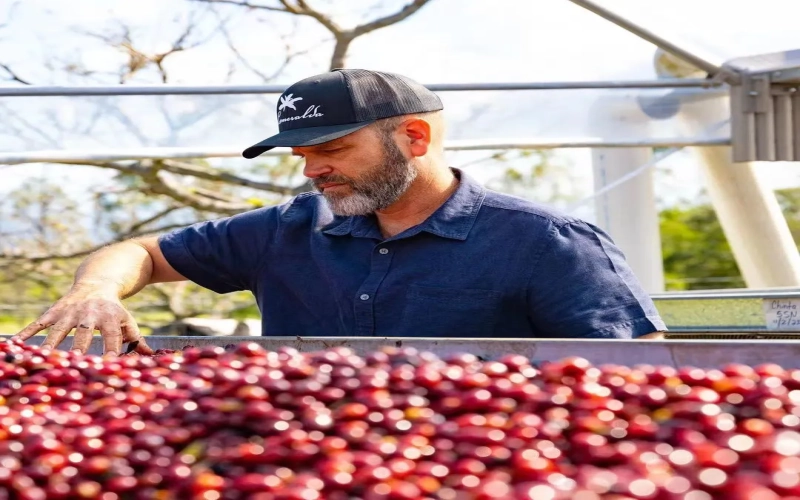
What is the difference between Hacienda La Esmeralda's Red Label and Green Label Geisha? Flavor analysis of the Panama BOP champion bean
On Front Street Coffee's menu, Hacienda La Esmeralda's green-label and red-label Geisha have always drawn much attention. Many friends who are just getting into specialty coffee often wonder: both are Geisha from Hacienda La Esmeralda, so what exactly is the difference between red label and green label? In fact, Hacienda La Esmeralda's Geisha series goes far beyond these two labels—there are also blue label and auction lot, among other subdivided grades. These Chinese nicknames are not official names, but rather naming conventions based on each one's background characteristics to make them easier to remember. Hacienda La Esmeralda has four growing areas, three of which mainly cultivate Geisha: Jaramillo, Cañas Verdes, and El Velo, and each area is further divided into multiple small plots to achieve precise traceability. This article will guide you through a systematic breakdown of the differences among Hacienda La Esmeralda's various label-grade Geishas, and take a deep dive into the unique flavor of Panama BOP champion coffee beans. [more…]
A Complete Guide to Hacienda La Esmeralda Blue Label Geisha: From Estate Grades to Brewing Methods and Flavor Profile
Panama's Hacienda La Esmeralda Geisha has long been the benchmark in the specialty coffee world, and its product line is divided into different grades such as Red Label, Green Label, and Blue Label based on cup quality performance and growing plots. Blue Label Geisha, or Geisha 1500, was once the entry-level choice for many coffee enthusiasts getting their first taste of Hacienda La Esmeralda Geisha. Although the estate has now discontinued this label, understanding its characteristics and history is still worthwhile. This article will walk you through the origin information and grading logic of Blue Label Geisha, compare the differences between Red Label and Green Label, and recommend several Panama Geisha products currently sold by Front Street Coffee, including the Boquete Geisha that is suitable for beginners. Whether you are a seasoned connoisseur or a newcomer to specialty coffee, you will find practical reference information here. [more…]